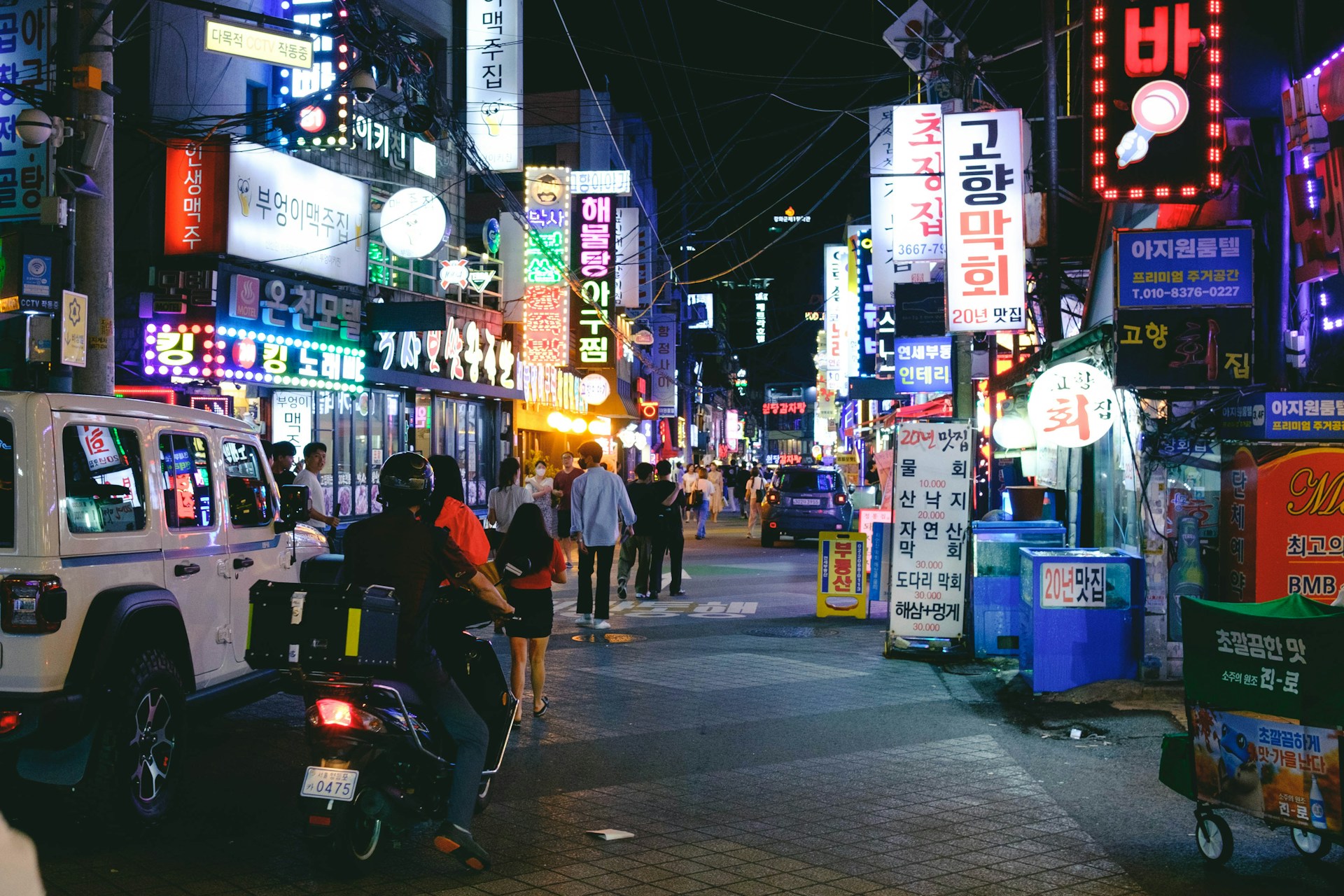
One of the first things you might notice when you arrive in Korea is this: people don’t really use other by names.
At first, it feels like just a language difference. But it’s actually much deeper a small but powerful glimpse into a much larger social system.
It might sound too formal or distant at first. But the more time you spend here, the more you realize:
The way you speak to someone says a lot about your relationship, your level of respect, the emotional distance or closeness between you.
Oppa, Ajeossi, Unni, Sunbaenim, Seonsaengnim… 🌐
In Korean (한국어), calling someone by their name is much more personal than it might seem.
Especially when meeting someone for the first time, names aren’t used much. Instead, people use relationship-based titles depending on age, gender, or context:
- Oppa (오빠) / Unni (언니): Someone older and close to you — kind of like a sibling or close friend of the opposite gender, for women.
- Hyung (형) / Noona (누나): For men talking to their older brother or sister figures.
- Ajeossi (아저씨) / Ajumma (아줌마): For middle-aged men or women in general.
- Sunbaenim (선배님): A senior in school or the workplace.
- Seonsaengnim (선생님): Technically means “teacher,” but it’s used much more broadly for doctors, lawyers, barbers, even yoga instructors.
You might find yourself wondering, “Why does everyone call each other ‘teacher’?”
But really, it’s a way of showing respect. It’s not about the literal meaning it’s about recognizing someone’s place in society.
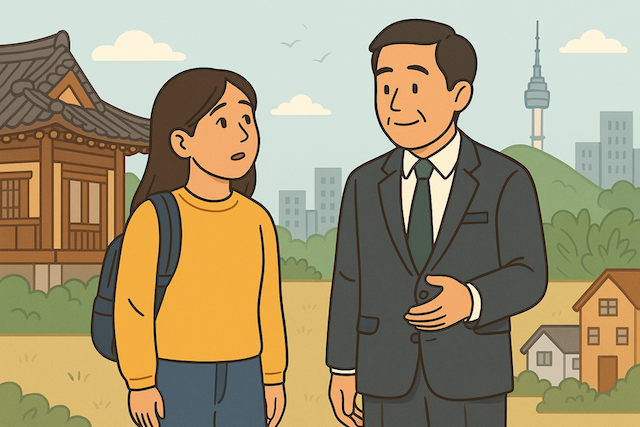
Name Order: Surname First, Then a Title
In Korea, using someone’s first name often implies you’re close — really close.
Usually, the family name comes first, and then a title is added:
- Lee-ssi (이 씨) → neutral and polite,
- Park seonsaengnim (박 선생님) → formal and respectful,
- Cho sunbaenim (조 선배님) → used when speaking to someone more experienced or senior.
Even something as simple as saying “hi” involves figuring out the right way to address someone.
Choosing the wrong title can feel like an awkward mistake — even if you meant no harm.
The Hoching (호칭) System: Not Just About Words, But All of Daily Life 🔁
Korea’s hoching system — meaning the way people address each other based on hierarchy — doesn’t stop with the language.
It shows up everywhere: in workplaces, in cafés, even during casual conversations.
Before you even begin talking to someone, it’s pretty common to hear:
“How old are you?” (몇 살이에요?)
It might feel strange at first. But it’s not just curiosity — they’re trying to figure out how to speak to you.
Even your tone of voice tone and body language changes depending on who you’re talking to.
When speaking to someone older or in a higher position, people naturally lower their voice, speak more gently, or give a slight bow.
It’s a Family Thing, Too 🧩
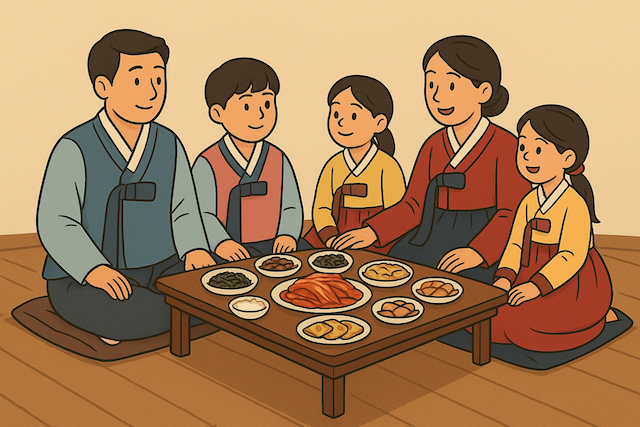
This whole structure isn’t limited to public life it’s alive and well inside the family, too.
In Korean households, people don’t just say “uncle” or “aunt” they use very specific honorifics based on age, side of the family, and even marital status.
Some examples:
- Your dad’s older brother → Keun-abeoji (큰아버지) – literally “big father,”
- His wife → Keun-eomeoni (큰어머니) – often called “big mom,”
- Your mom’s younger sister → Jageun-imo (작은이모) – “little aunt,”
- Depending on marital status:
- Hyeongsunim (형수님) – “older brother’s wife,”
- Jesussi (제수씨) – “younger brother’s wife.”
Even among siblings:
- If you’re a man, you call your older brother Hyung (형),
- If you’re a woman, your older brother is Oppa (오빠),
- Older sister becomes Unni (언니) or Noona (누나) depending on your gender.
It might sound complicated, and yes it kind of is.
But after a while, it clicks.
And someday, you’ll catch yourself mentally drawing a family tree just to figure out the right word for someone 😄
Honorifics = Relationship
In Korea, what you call someone reflects how you see them and how they see you.
Calling someone “sunbaenim” in one situation and “oppa” in another might sound strange, even to native speakers.
Because every title carries its own vibe, its own weight, and its own boundary.
For a Foreigner: Both Confusing and Surprisingly Touching 🤯✨
At first, these titles just feel like a language thing.
But over time, you realize they’re really about how people relate, respect, and connect.
Words in Korea aren’t just words they build bridges.
They define the mood, the bond, the intention behind your voice.
Yes, it can be tricky.
There will be moments when you’re unsure if you said the right thing.
But slowly, you learn it’s not just about “getting it right” it’s about what you mean.
And then one day, someone calls you something that fits perfectly not too formal, not too casual, just right.
And in that moment, you feel a little more included.
A little more understood.
Maybe even a little more like you belong.
Because by then, that word?
It carries a piece of your story, too.