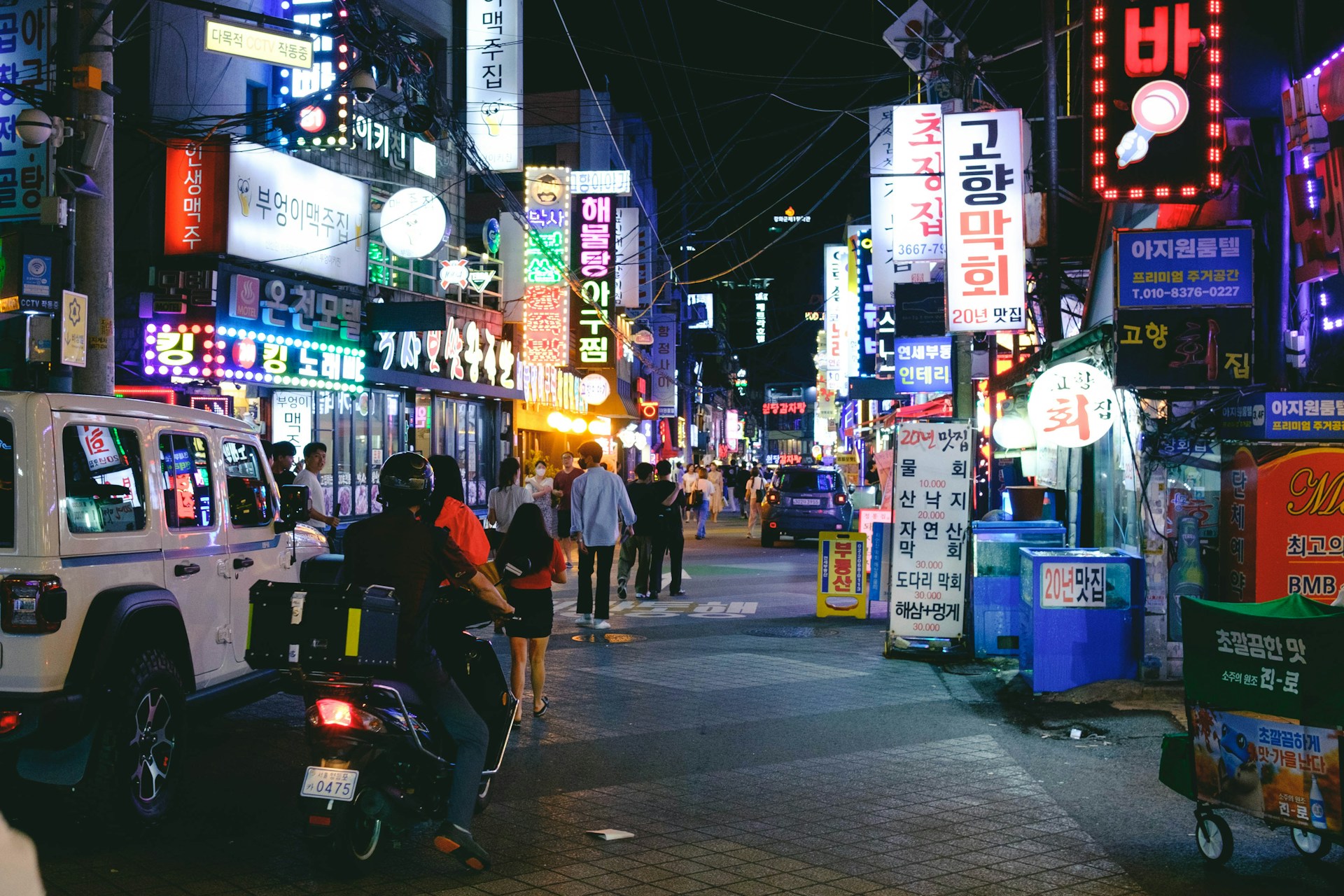
“The same sentence can feel totally different depending on how you say it.”
When I first started learning Korean, I thought memorizing words would be enough.
Spoiler: it’s not.
Because in Korean, how you say something changes based on who you’re talking to.
Yep this language comes with built-in levels of respect.
✨ Quick little side note:
There are two main ways to speak in Korean:
Jondaetmal (존댓말) – polite, respectful speech
Banmal (반말) – casual, friendly speech
Which one you use depends on your age difference and relationship.
And yep, if you use the wrong one, it can get awkward real quick 😅
Try to be polite and you might come off cold.
Try to be friendly too soon and you might sound disrespectful.
Finding the sweet spot takes time especially if you’re not Korean.
🧍🏻♀️ You Can’t Talk to Everyone the Same Way
In Korean, speech level creates distance or closeness.
You change your sentence endings, word choice, even your tone depending on the person.
I used jondaetmal (polite speech) with everyone at first.
Then a friend told me, “Hey, you don’t have to be so formal with me.”
That’s when it hit me: relationships here aren’t about rules, they’re about balance.
🎂 Why Do Koreans Ask Your Age Right Away?
“Wait… why is this person asking how old I am five seconds into meeting me?”
It’s not rude here.
Age helps people figure out how to talk to each other what to say, what not to say, and how to say it.
In Korean, respect is baked right into the grammar.
So asking someone’s age? Totally normal.
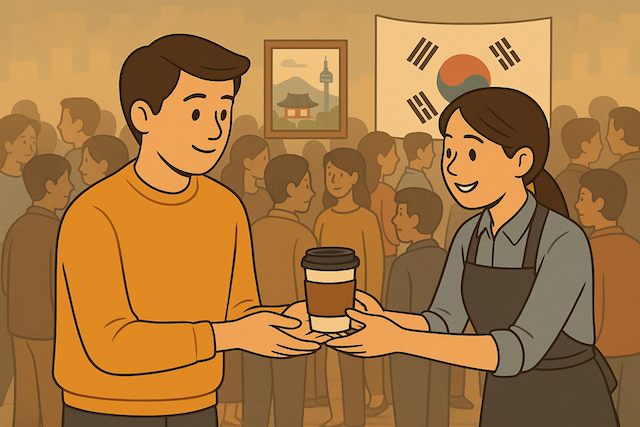
✋🏼 Two Hands Say More Than Words
In Korea, handing someone something with one hand can feel… careless.
Even with small thingslike giving a card or passing a cup of water—using two hands (or at least holding your wrist with your other hand) shows respect.
I learned this when a cashier gave me the look after I handed over my card one-handed.
Now? My hands move on their own. It happens naturally.
😶 Silence Can Be Respect Too
In buses, trains, waiting rooms… People are quiet.
No loud phone calls, no chatting with strangers, no music blasting from headphones.
At first I thought, “Why is everyone so serious?”
But it’s not that. It’s just that people here really care about not disturbing others.
Now I automatically lower my phone volume when I go out.
And honestly? I kinda like it.
💬 “Oppa” — Sweet or Super Awkward?
If you’ve watched K-dramas, you’ve heard “Oppa” used in all the dreamy, romantic moments.
But IRL? It’s a bit more complicated.
“Oppa” isn’t just for boyfriends.
It’s also what you call older male friends or brothers.
But if you say it too soon or to the wrong guy… whew. It gets weird fast 🙈
(I know. I’ve done it.)
🤝 When You Get the Respect, You Start Feeling the Connection
In Korean, it’s not just about what you say.
It’s about when, how, and why you say it.
At first, all t this hierarchy and rules might feel overwhelming.
But underneath it all, the message is simple:
“I respect you.”
And once you start noticing the little things not by reading Korean books but by observing—how people pause, how they listen, how they soften their voice—
you realize Korean isn’t just a language.
It’s a whole way of caring.
And honestly? It makes you feel closer to people. Even though sometimes it feels as if this country is all surrounded only by strangers.